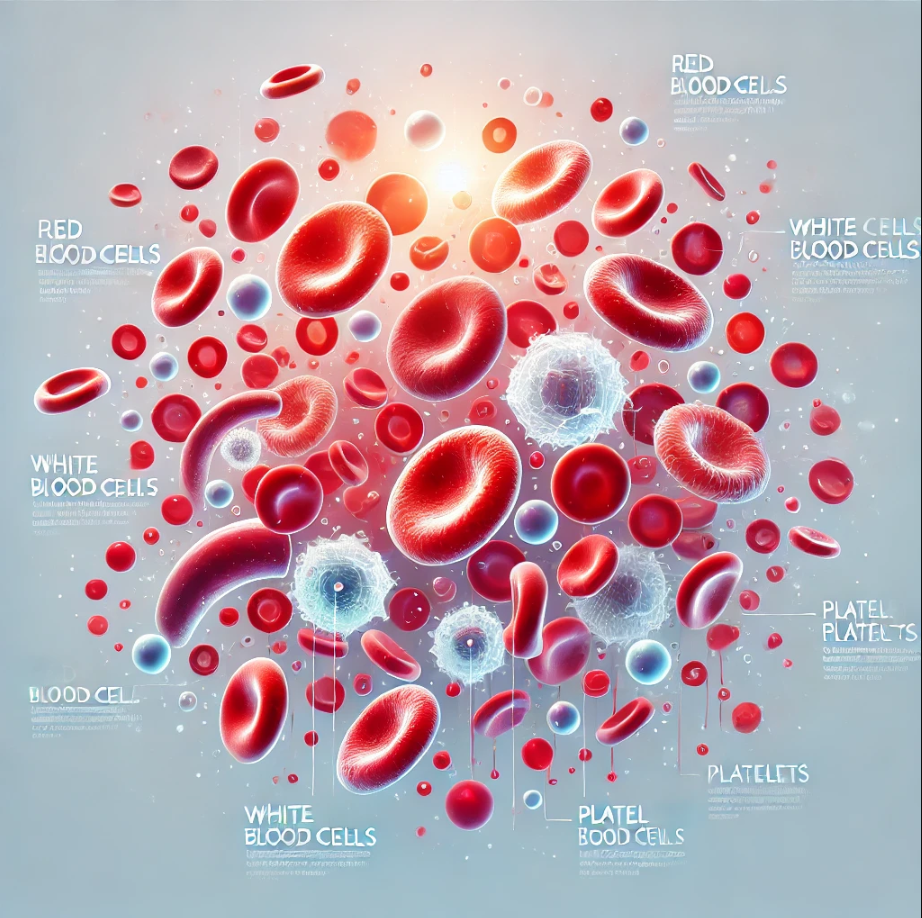
Hematology is a branch of medicine that studies blood, blood-forming organs, and their diseases. Blood, as the main life-supporting component of the body, plays a key role in maintaining homeostasis, transporting oxygen and nutrients, and removing metabolic waste. Disorders in this system can lead to serious diseases, including anemia, leukemia, thrombosis, and others. In this article, we will consider the main directions of modern hematology and the role of medications in the treatment of its pathologies.
Main Blood Diseases and Methods of Their Treatment
Anemia
Anemia is a condition characterized by a decrease in the level of hemoglobin in the blood. The main causes may include iron deficiency, vitamin B12 or folic acid deficiency, chronic diseases, as well as genetic disorders.
Treatment: Depending on the type of anemia, iron supplements, vitamins (B12, folic acid), or erythropoietin to stimulate red blood cell production are prescribed.
Leukemia
Leukemia is a form of blood cancer that affects the bone marrow and blood-forming cells. It is one of the most complex diseases in hematology and requires a comprehensive approach.
Treatment: Chemotherapy, targeted therapy (for example, tyrosine kinase inhibitors), and bone marrow transplantation. New drugs such as monoclonal antibodies significantly increase the chances of recovery.
Thrombophilia and Thrombosis
Thrombophilia is a tendency to form blood clots, which can lead to serious complications such as heart attacks and strokes.
Treatment: Anticoagulants, including warfarin, new oral anticoagulants (NOACs), as well as antiplatelet agents such as aspirin.
Hemophilia
Hemophilia is a genetic disorder characterized by impaired blood clotting due to a deficiency of certain clotting factors.
Modern Advances in the Pharmacology of Hematological Diseases
Pharmaceutical science has made significant breakthroughs in the treatment of blood diseases. Here are several main directions of development:
Targeted Therapy
Drugs that act directly on molecular targets such as proteins, enzymes, or receptors responsible for the development of the disease. For example, JAK2 inhibitors for the treatment of myeloproliferative disorders.
Immunotherapy
The use of monoclonal antibodies and CAR-T cell therapy for the treatment of leukemia and lymphomas significantly increases treatment effectiveness.
Genetically Engineered Drugs
The latest medicines based on genome editing (CRISPR-Cas9) are already demonstrating promising results in the treatment of genetic disorders such as sickle cell anemia.
Biosimilars
Biological medicines for the treatment of hematological diseases, including recombinant clotting factors, are becoming more accessible thanks to the development of biosimilars.
Challenges and Prospects
Despite impressive progress, challenges remain in hematology. Rare diseases such as aplastic anemia or paroxysmal nocturnal hemoglobinuria still require new treatment approaches. The availability of modern medications is also an issue, especially in low-income countries.
However, the future looks optimistic thanks to the development of personalized medicine, new diagnostic methods, and advanced therapies. A deeper understanding of the molecular mechanisms of diseases opens the door to the development of even more effective and safer drugs.
Conclusion
Hematology is one of the most dynamic fields of medicine, where innovations constantly change treatment approaches. Modern medications make it possible to significantly improve the quality of life of patients with blood diseases, and scientific research opens new horizons for treating even the most complex pathologies. Healthy blood is the foundation of overall health, and caring for it should be a priority for both medical professionals and patients.